
There's a shift happening in search right now that most businesses haven't noticed yet. So the ones that do notice and act, are going to have a significant advantage over the ones that don't.
That shift is the rise of the answer engine.
What is an answer engine?
Traditional search engines give you a list of links. Answer engines give you the answer.
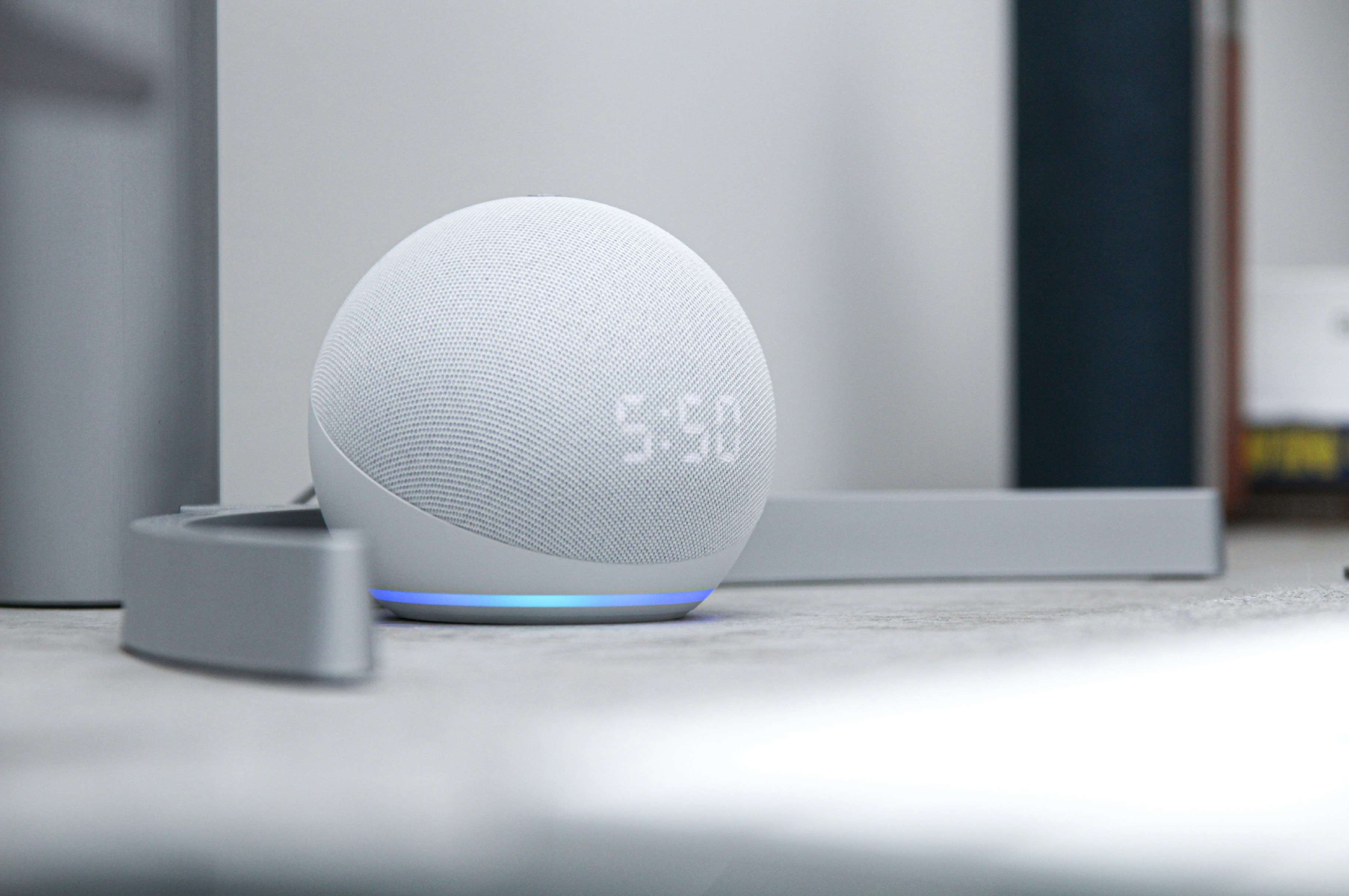
Google's AI Overviews, Siri, Alexa, Bing Copilot, Perplexity; these are all answer engines. Someone asks a question and instead of sending them to ten blue links, the engine answers the question directly. The user gets what they need without ever visiting a website.
This is increasingly how people search. Voice queries to their phone in the car. AI chat interfaces on their computer. Quick questions to a smart speaker in the kitchen. None of these experiences involve clicking through to a website. They involve the engine answering directly and citing a source.
What is Answer Engine Optimisation?
Answer Engine Optimisation (AEO) is the practice of structuring your content so that answer engines, not just traditional search engines can extract it, understand it and serve it as a direct answer.
It's the difference between being a result and being the answer.
When someone asks their phone "who's the best web design agency in the UK?" or "what does AEO mean?"; AEO determines whether your business answers that question or whether someone else does.
How AEO is different from SEO
They share a foundation. Technical health, quality content, site authority; all of these matter for both. But the execution is different.
SEO asks: how do I rank for this keyword?
AEO asks: how do I become the direct answer to this question?
AEO is about question-based content. It's about FAQ sections with proper schema markup. It's about writing in natural language that sounds good spoken aloud. It's about structured data that tells Google exactly what your content is and what question it answers.
"Traditional SEO gets you on the list. AEO gets you read out by Siri."
Why now is the right time to act
The window for first-mover advantage in AEO is still open, but it won't stay open forever.
Over 65% of searches now end without a click. Voice search queries have grown by more than 300% in the past three years. Google AI Overviews appear on over 40% of search results pages. The shift is already happening.
The businesses that structure their content for AEO now are building authority that compounds over time. The ones that wait until everyone's doing it will find the positions already occupied.
What AEO looks like in practice
Concretely, AEO means:
- Adding FAQ sections to your key pages with a proper FAQ Page schema markup
- Writing content that directly answers specific questions in plain language
- Structuring headings as questions, not just keywords
- Implementing structured data (schema.org markup) across your site
- Making sure your content is accessible and fast enough for crawlers to prioritise
None of these are dramatic interventions. Most of them are content and markup decisions. But the cumulative effect, showing up as the answer, not just a result is significant.



Comments (12)
Leave a comment
Comments are moderated and will appear once approved.